belarus vs russia
Belarus vs Russia: Latest News Today
The relationship between Belarus and Russia continues to be a complex and evolving dynamic, heavily influenced by geopolitical events, economic pressures, and security concerns. This blog post will delve into the most recent developments, drawing insights from various sources to provide a comprehensive overview.
Preview: Belarus vs Russia - Prediction, Team News, Lineups - Sports Mole
While specific predictions for future sporting events are beyond the scope of this current events analysis, the context of friendly matches between Belarus and Russia highlights a broader theme: the continued cooperation and relationship-building between the two nations, even in areas outside of strictly political or economic spheres. These friendly games serve as a soft power tool and a symbol of solidarity. It's important to consider the team news and lineups in these matches not only for their sporting implications but also as indicators of the normalcy both countries are attempting to project.
Key takeaways regarding sports previews generally include:
- Team News: Injury updates, player suspensions, and overall squad health impacting the game.
- Predicted Lineups: A glimpse into the potential starting eleven, often reflecting tactical decisions and player availability.
- Historical Performance: Past encounters between Belarus and Russia can offer clues about potential outcomes, although current form is always a crucial factor.
The underlying significance of these sporting events, particularly given the current international climate, extends beyond mere competition. They underscore the close ties and mutual support between Belarus and Russia.
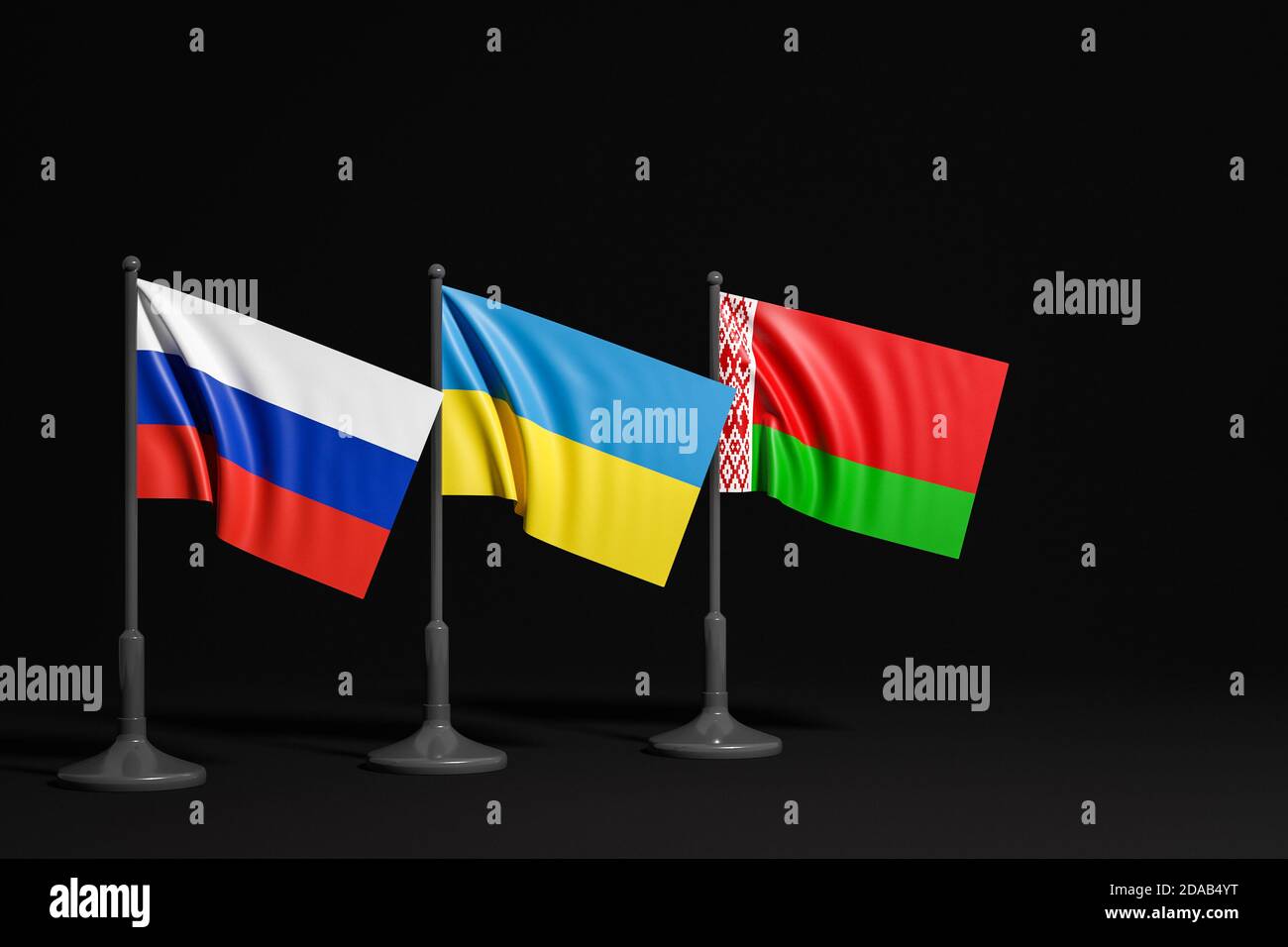
Key Developments in Russia, Belarus, and Baltic Region: Sanctions, Economy, and Social Issues - Odessa Journal
The Odessa Journal and similar news outlets frequently report on the ripple effects of sanctions imposed on Russia and, to a lesser extent, Belarus, and how these impacts influence the overall economy and socio-political landscape of the Baltic region. Belarus, being closely allied with Russia, often feels the secondary consequences of sanctions targeted at its larger neighbor.
Sanctions and Economic Impact:
- Trade Diversion: Belarus has become a crucial transit route for goods destined for Russia, circumventing some sanctions. This has created economic opportunities but also exposed Belarus to increased scrutiny and potential secondary sanctions.
- Currency Fluctuations: The Belarusian ruble is heavily influenced by the Russian ruble's performance, making Belarus vulnerable to economic shocks affecting Russia.
- Supply Chain Disruptions: Sanctions have disrupted supply chains for both countries, impacting various industries and leading to shortages of certain goods.
Social Issues:
- Increased Repression: The Belarusian government has intensified its crackdown on dissent following the 2020 protests, further isolating the country internationally.
- Brain Drain: Many skilled professionals have left Belarus due to the political and economic climate, impacting the country's long-term development.
- Propaganda and Information Warfare: Both Belarusian and Russian state media outlets actively promote narratives that support their respective governments and criticize Western policies.
The economic and social situations in both countries are intricately linked. Belarus's dependence on Russia makes it particularly vulnerable to economic downturns and political instability in Russia. The Baltic states, bordering both countries, are closely monitoring the situation, concerned about potential security threats and economic spillover effects. The flow of refugees and migrants is another critical consideration, especially given Belarus's previous use of migrants as a political tool.
Lineups Belarus vs Russia - International Friendly 2026 - besoccer.com
Similar to the Sports Mole preview, information regarding friendly match lineups provides insights beyond just the sport. The potential presence of key players can reflect the importance both nations place on the symbolic value of these games. A strong showing from either side can be interpreted as a demonstration of national strength and unity, particularly in the face of international pressures.

The strategic implications of these lineups might include:
- Showcasing Talent: Giving opportunities to young or emerging players as a display of future potential.
- Building Team Cohesion: Utilizing these matches to solidify team dynamics and tactical approaches.
- Maintaining Morale: Achieving a positive result to boost national morale and project an image of strength.
While specific lineups for a 2026 friendly are currently unavailable (as it's in the future), tracking these details when they emerge will offer a valuable lens through which to view the broader Belarus-Russia relationship.
Belarus vs. Russia (10 Jun, 2025) Live Score - ESPN India
The ESPN India reference, while pertaining to a future event (June 10, 2025), underscores the interest and coverage that sporting events between Belarus and Russia generate on an international scale. Sports provide a neutral platform for interaction, and the live score becomes a focal point for observers worldwide. It's another opportunity to see how these nations portray themselves on the world stage.
The significance of live scores and match outcomes extends to:
- National Pride: A victory can boost national pride and reinforce a sense of identity.
- Media Coverage: The outcome can influence media narratives and shape public perception of both countries.
- Diplomatic Implications: While indirect, a positive interaction through sports can subtly contribute to diplomatic relations.
Keeping an eye on the media coverage and public reactions surrounding these events offers insight into the nuances of the Belarus-Russia dynamic.
Belarus and Russia Work on New Security Agreements - The Jamestown Foundation
The Jamestown Foundation, known for its expertise in security and geopolitical analysis, offers particularly valuable insights into the military and security cooperation between Belarus and Russia. The development of new security agreements is a critical area of focus, revealing the depth and scope of their alliance.
Key aspects of these security agreements likely include:
- Joint Military Exercises: Regular joint military exercises demonstrate interoperability and preparedness. These exercises often raise concerns among neighboring countries, particularly NATO members.
- Arms Transfers: Russia provides Belarus with military equipment and technology, strengthening Belarus's defense capabilities.
- Intelligence Sharing: Enhanced intelligence sharing improves both countries' ability to monitor and respond to perceived threats.
- Border Security: Cooperation on border security is essential, particularly in managing migration flows and preventing cross-border crime.
These security agreements are designed to achieve several objectives:
- Deterrence: To deter potential aggression from external actors, particularly NATO.
- Regional Stability (as defined by Moscow and Minsk): To maintain stability in the region, which often translates to suppressing dissent and maintaining the current political order.
- Mutual Support: To provide mutual support in the event of internal unrest or external threats.
The deepening security cooperation between Belarus and Russia is a source of concern for many Western governments and neighboring countries. It raises questions about Belarus's sovereignty and its role in regional security. The Jamestown Foundation’s analysis often highlights the potential risks and implications of these developments, providing a crucial perspective on the evolving security landscape.
In conclusion, the relationship between Belarus and Russia is multifaceted, encompassing political, economic, social, and security dimensions. From sports events that showcase solidarity to security agreements that deepen military cooperation, the two countries are intertwined in a complex web of interdependence. Understanding these developments is crucial for comprehending the broader geopolitical landscape of Eastern Europe and its implications for international relations.
```


Comments
Post a Comment