jensen huang
Jensen Huang Latest News Today: Deep Dive into Nvidia's Recent Developments
Nvidia CEO Jensen Huang continues to be a prominent voice shaping the narrative around Artificial Intelligence and its impact on the world. From unveiling new technologies and highlighting the importance of AI adoption to navigating geopolitical complexities and discussing the future of work, Huang's pronouncements are closely watched by investors, technologists, and policymakers alike. This blog post consolidates the latest news surrounding Jensen Huang, offering in-depth analysis and insights.
Nvidia CEO Jensen Huang: ‘... there’s a new programming language. It is called…’ - Times of India
Jensen Huang’s proclamation about a "new programming language" isn’t about a completely novel syntax or structure replacing traditional languages like Python or C++. Instead, it refers to the paradigm shift brought about by AI itself. Huang argues that AI is becoming the programming language, with data being the code. Instead of writing explicit lines of code to achieve a specific function, developers are now curating and preparing vast datasets that train AI models to learn and perform those functions. This approach, fueled by advancements in deep learning and neural networks, allows for the creation of incredibly complex and nuanced functionalities that would be virtually impossible to achieve through traditional programming methods.
This "new programming language" has several key implications:
- Data is paramount: The quality and quantity of training data are critical to the performance of AI models. Data scientists and engineers who can effectively collect, clean, and label data are becoming increasingly valuable.
- Abstraction layers are evolving: Higher-level tools and frameworks are being developed to simplify the process of training and deploying AI models. These tools abstract away much of the underlying complexity, allowing developers with less specialized expertise to leverage AI.
- AI is augmenting traditional programming: AI isn't necessarily replacing traditional programming; rather, it's augmenting it. AI models can be integrated into existing software applications to add new capabilities and improve performance. For example, using AI to optimize code execution or automatically generate repetitive code blocks.
Huang's statement emphasizes the democratization of AI development. By focusing on data preparation and model training, rather than low-level code, AI becomes more accessible to a wider range of developers and industries. This paradigm shift is driving innovation across various sectors, from healthcare and finance to manufacturing and transportation.
Dear Nvidia Stock Fans, Mark Your Calendars For June 11 - Barchart.com
June 11th is a crucial date for Nvidia stock enthusiasts. While the Barchart.com article points to a specific date, it’s important to understand why this date is significant in the context of Nvidia's ongoing performance and future prospects. Generally, this date will likely be related to a major event like:
- Stock Split Date: Nvidia announced a 10-for-1 stock split, effective after market close on June 7, 2024, with trading on a split-adjusted basis beginning June 10, 2024. June 11th would then be the first full trading day after the split.
- Investor Day: June 11th might be an Investor Day, where Nvidia unveils new strategies, product roadmaps, and financial forecasts. This allows analysts and investors to gain a deeper understanding of the company's vision and growth potential.
- Product Launch Event: It could also point to a scheduled product launch event where Nvidia announces new GPUs, networking solutions, or AI platforms. New product announcements can significantly impact stock price, especially if the products are expected to be disruptive or highly competitive.
The importance of such a date cannot be overstated. A stock split, in particular, is a strategic move to make Nvidia shares more accessible to a broader range of investors. This increased liquidity can, in turn, drive demand and potentially boost the stock price. Investor Days are crucial for conveying Nvidia's long-term strategy and reinforcing investor confidence. Positive announcements at these events can act as catalysts for further stock appreciation. Finally, a new product launch generates buzz, increases sales forecasts and generally helps the share price.
Investors should carefully monitor news and announcements surrounding June 11th to understand the specific reasons for its significance and make informed investment decisions. Analyzing Nvidia's press releases, earnings call transcripts, and analyst reports will provide valuable insights into the company's performance and future outlook.

'Don’t be that person who ignores this technology': Nvidia CEO warns AI will rewrite the rules of employme - The Economic Times
Huang's warning about the transformative power of AI on the employment landscape is stark and urgent. He emphasizes that ignoring AI's potential impact is not an option for individuals or businesses. The implications are multifaceted and far-reaching.
Here are some key takeaways from his warning:
- AI is a catalyst for job displacement: AI-powered automation is poised to displace jobs in various industries, particularly those involving repetitive tasks or data processing.
- New job roles will emerge: While some jobs will be lost, AI will also create new job roles in areas such as AI development, data science, AI model training, and AI-related ethical considerations.
- Upskilling and reskilling are crucial: Individuals need to proactively acquire new skills to remain relevant in the AI-driven economy. This includes learning about AI concepts, data analysis, cloud computing, and other related technologies.
- Businesses must adapt: Organizations need to invest in AI training programs for their employees and develop strategies to integrate AI into their operations effectively.
Huang's message is not one of impending doom but a call to action. He believes that by embracing AI and adapting to its challenges, individuals and businesses can thrive in the new economy. The key is to anticipate the changes and proactively prepare for them. This includes investing in education, training, and research, as well as fostering a culture of innovation and continuous learning. Failure to adapt will leave individuals and businesses behind, creating a widening gap between those who embrace AI and those who ignore it.

Nvidia CEO Jensen Huang says US controls on AI chips exports to China were ‘a failure’, praises Donald Trump's approach - Mint
This statement is particularly noteworthy given the geopolitical sensitivities surrounding AI technology and the ongoing trade tensions between the US and China. Huang's assessment that US controls on AI chip exports to China were "a failure" implies that these measures have not achieved their intended objectives, which are likely to limit China's access to advanced AI capabilities.
His praise of Donald Trump's approach adds another layer of complexity. Trump's administration implemented a series of trade restrictions and tariffs aimed at curbing China's technological advancement. Huang's commendation suggests that he believes a more assertive stance, even if controversial, might be more effective in addressing the concerns surrounding AI technology transfer. It is important to remember that "more effective" from the perspective of Nvidia could mean better sales, even if there are national security implications.
The implications of this statement are significant:
- Reassessment of export controls: Huang's comments may prompt a re-evaluation of the current export control policies and a search for more effective strategies to balance national security concerns with the need for continued technological innovation and trade.
- Impact on Nvidia's business: Export controls directly impact Nvidia's revenue streams, as China is a major market for its AI chips. Any changes to these policies could have a significant impact on the company's financial performance.
- Geopolitical tensions: Huang's remarks could further exacerbate tensions between the US and China, particularly in the technology sector.
It is crucial to note that different stakeholders hold varying perspectives on this issue. The US government prioritizes national security and preventing China from gaining a technological advantage. Nvidia, on the other hand, seeks to maximize its market share and revenue. Balancing these competing interests is a complex challenge that requires careful consideration and strategic diplomacy.

The one rival Jensen Huang won't ignore in 2025 - digitimes
In the rapidly evolving landscape of AI and high-performance computing, Nvidia faces competition from several companies. While giants like AMD and Intel pose significant challenges, Digitimes highlights a specific rival that Jensen Huang is unlikely to ignore in 2025. Although the specific company isn't explicitly named here, based on the context of Digitimes and their coverage of the semiconductor industry, this likely refers to companies making strides in specialized AI processors or custom silicon solutions.
This unidentified rival likely possesses one or more of the following characteristics:
- Specialized AI Chips: The rival may be developing specialized AI chips (ASICs) designed for specific tasks or applications, offering performance or efficiency advantages over general-purpose GPUs. These chips could be optimized for tasks like image recognition, natural language processing, or autonomous driving.
- Focus on Edge Computing: The competitor could be targeting the edge computing market, providing AI solutions for devices and applications that require low latency and real-time processing. This market is growing rapidly as more devices become connected and intelligent.
- Collaboration with Hyperscalers: The rival may be collaborating with hyperscale cloud providers (e.g., Amazon, Google, Microsoft) to develop custom AI chips for their data centers. These collaborations could lead to significant breakthroughs in AI performance and efficiency.
- Innovative Architectures: They might be developing novel architectures or approaches to AI processing, such as neuromorphic computing or quantum computing, that could potentially disrupt the existing paradigm.
The reason Huang won't ignore this rival is because it represents a potential threat to Nvidia's dominance in the AI chip market. While Nvidia currently holds a significant lead, the competitor's specialized expertise, focus on emerging markets, or innovative technologies could allow it to gain market share and challenge Nvidia's position. Understanding the strategies and capabilities of this rival is crucial for Nvidia to maintain its competitive advantage and continue to innovate in the AI space.
Nvidia's response to this emerging competition could involve several strategies:
- Investing in R&D: Nvidia will need to continue investing heavily in research and development to stay ahead of the competition and develop its own specialized AI chips and innovative architectures.
- Expanding its Ecosystem: Nvidia will need to strengthen its ecosystem of software tools, libraries, and developer support to make it easier for developers to build and deploy AI applications on its platform.
- Strategic Partnerships: Nvidia may need to form strategic partnerships with other companies to complement its own capabilities and address specific market needs.
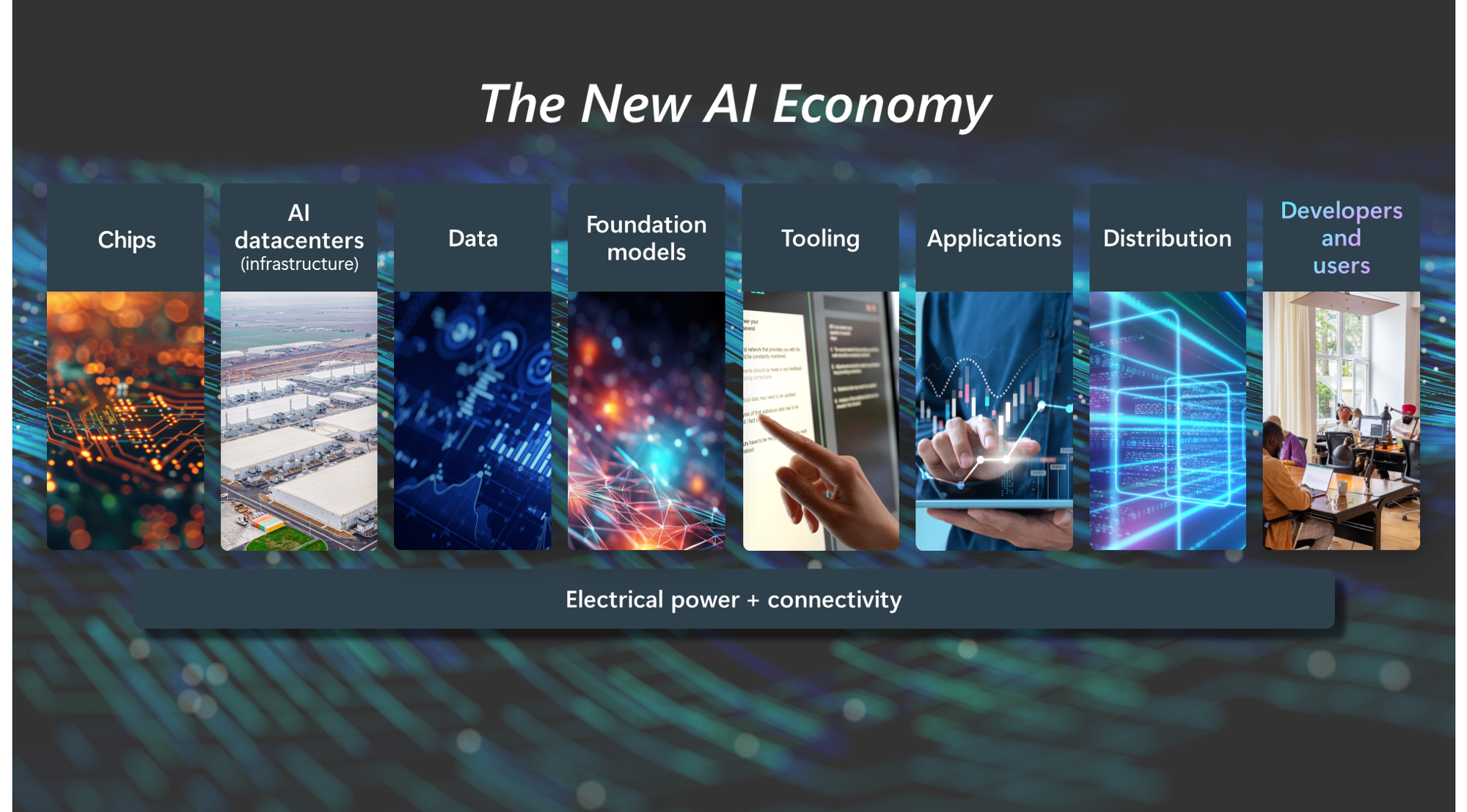
In conclusion, Jensen Huang's recent statements and Nvidia's strategic moves highlight the dynamic and rapidly evolving nature of the AI landscape. From the fundamental shift in programming paradigms to the complexities of export controls and the emergence of new competitors, Nvidia faces both challenges and opportunities. Staying informed about these developments is crucial for anyone interested in the future of AI and its impact on our world.
```


Comments
Post a Comment